japanese beetle life cycle colorado
In late June and early July adult beetles emerge. A Japanese beetle life cycle is completed in one year.

Tagawa Has The Tools You Need To Fight Japanese Beetles
Life cycle of Japanese beetle.

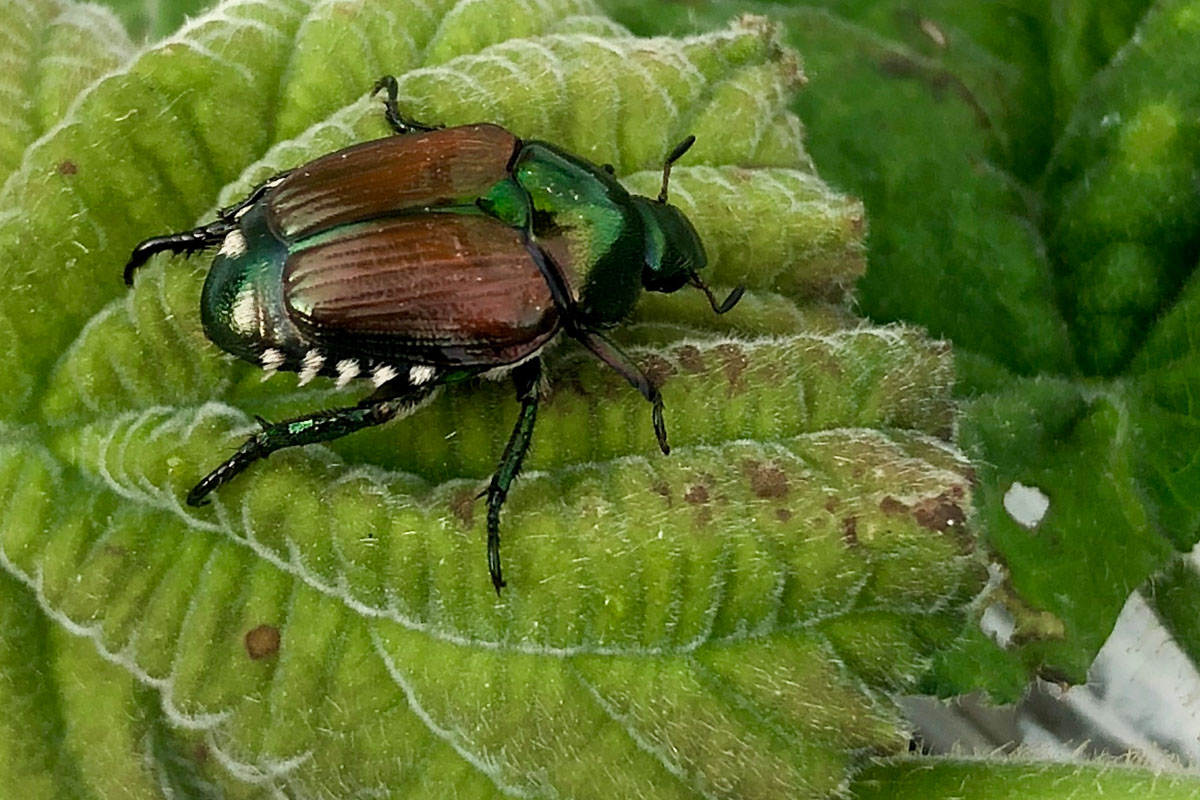
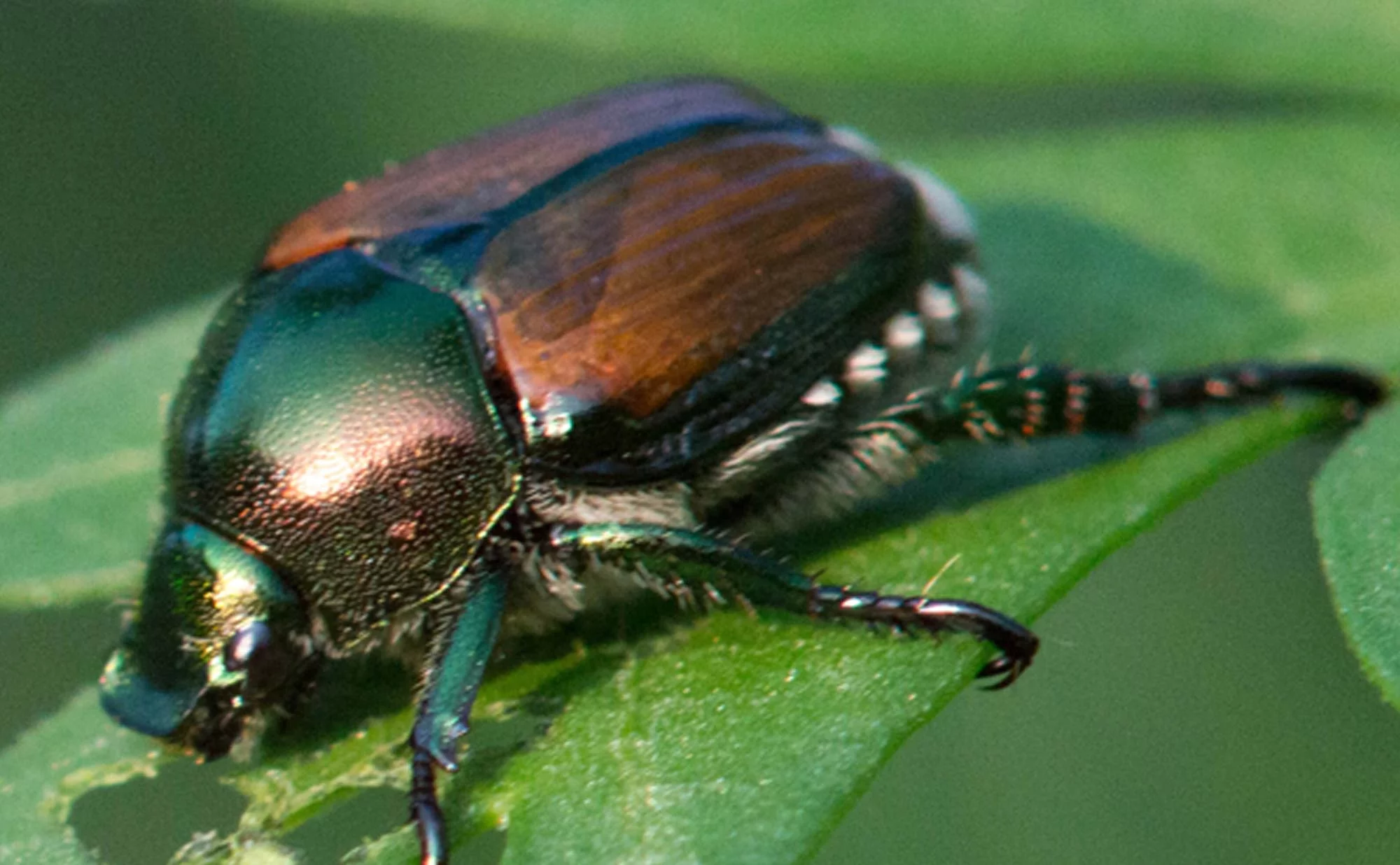
. A key feature of the adult JB are the small white tufts of hair along the sides and rear of the abdomen. Japanese beetles feeding on raspberry leaves EC. However some adults may be found into September.
Adult beetles lay eggs during the summer which hatch about 2 weeks later. The egg larva and pupa life cycle stages develop underground and unless soil is removed or dug into these life stages will not be seen. The Japanese beetle was first introduced into Colorado in the early 1990s from nursery stock purchased in the mid-western United States.
Egg lay occurs from August-November and surviving overwintering larvae feed. Since the early 1900s the insect has made its way West moving long distances in nursery stock root balls of trees shrubs and turfgrass plants sold in trade and about 1 to 5 miles per year on its own. Japanese beetles have a one-year complete life cycle from egg larva pupa adult.
Life cycle of Japanese beetles. Adults usually emerge in June females begin egg laying until September. Adults usually emerge from grass turf where they finished their underground life cycle in.
They feed on foliage and mate during the day. It emerges from the soil in late June and July as an adult to mate and lay eggs. Japanese beetle larvae are annual white grubs.
With understanding of the Japanese beetles life cycle and the management options that can be used during the larval and adult stages well continue to enjoy our landscape plants and gardens for many years. The grubs feed until October and will remain inactive until spring March April when they start to feed again. Life cycle of the Japanese Beetle.
Japanese Beetle in Colorado The Japanese beetle is an invasive pest that was introduced into the eastern United States over 100 years ago. Let the outdoor specialists at SunCo inspire your great outdoors. Adult beetles can be detected in traps until early September depending on weather conditions.
Observing Japanese beetles feeding on plants is quite common since the adult beetle feeds on about 300 species of trees shrubs ornamental and fruit trees in addition to vegetable crops. Japanese beetles often feed in groups and can quickly cause substantial plant damage. Adult beetles are most active in the heat of the day and are voracious feeders on ornamental and agricultural plant.
Colorado was originally thought to be protected from invasive Japanese beetlePopillia japonicacolonization and establishment due to our semi-arid climate. Adult females lay eggs in moist sod in July. Larvae and eggs of Japanese beetle need at least 10 inches of soil moisture to thrive.
On warm sunny days the new beetles crawl onto low growing plants and warm for a while before taking flight. Pay attention to the Japanese beetle life cycle for one year and understand that effective management involves dealing with both adult beetles and their offspring larvae also called white grubs. In the spring as the soil warms Japanese beetle grubs migrate to the surface briefly feeding on grass roots.
Please take a few minutes and complete the Japanese Beetle Plant Survey to help with a regional plants list of plants they like and dont like. What is the life cycle of the Japanese beetle. Japanese Beetle JB Description.
Females excavate soil cavities several inches deep for their eggs which they lay in masses. Japanese beetle has a life cycle that takes one year to complete. Egg grub and adult stages.
The grubs are C-shaped and approximately 125 inches when fully grown. Japanese beetles go through a one-year life cycle but if you have a yard you care about the real joy with beetles comes in the second half of the summer in Colorado. Scientists and experts were caught off guard by the ability of the pest to establish itself in our region thinking that Japanese beetle an insect that likes moisture and humidity would never become a problem in the semi-arid Colorado climate.
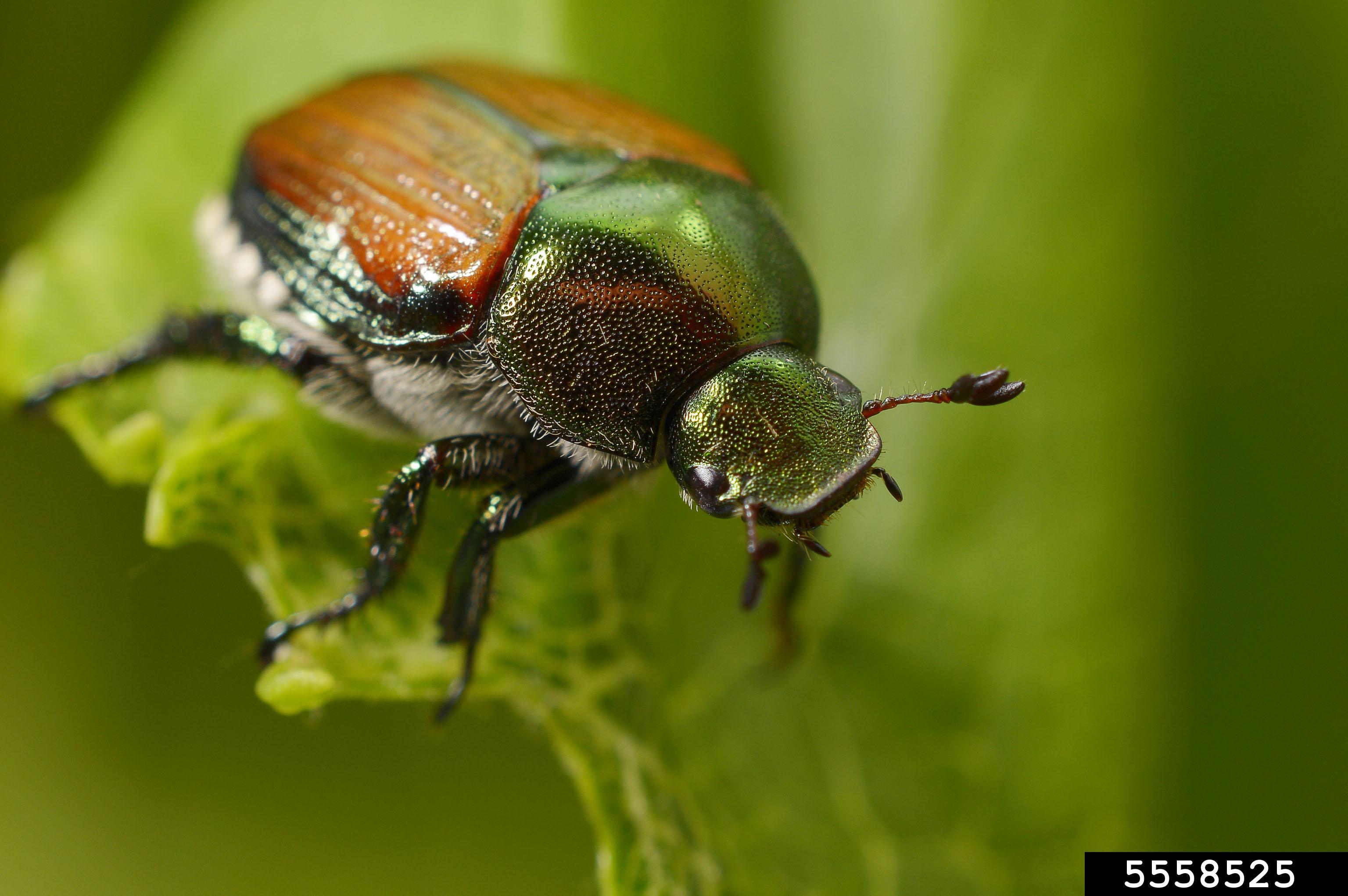
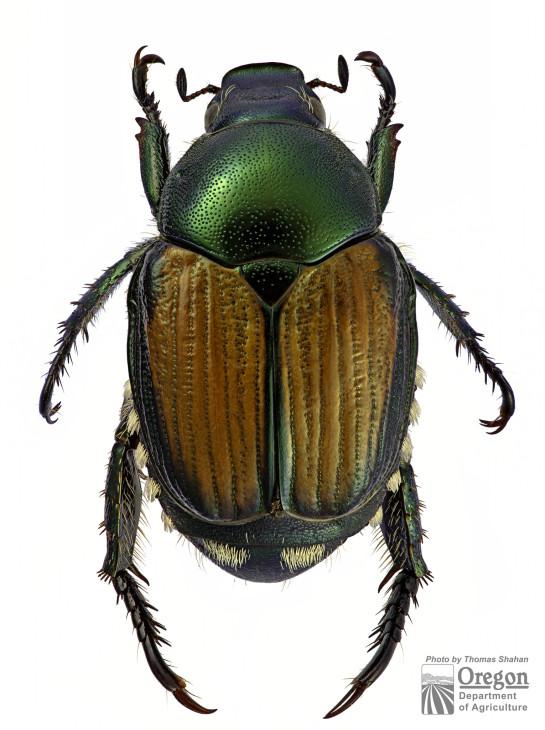
The body is oval shaped with a metallic green color and bronze outer wings. Adults may begin to emerge from the soil in early June and are usually most abundant in early summer from late June through early August. Orkin Termite Treatment Pest Control Exterminator Service.
Larvae that have matured by June pupate and the adult beetles emerge from the last week of June through July. Grubs are up to 1 inch long C-shaped and have six legs. In most parts of its range the Japanese beetle life cycle takes just a year but in northern areas it may stretch to two years.
In Colorado adult beetles emerge from the soil mid to late June with peak emergence occurring in mid to late July. The JB in adulthood Figure 1 is roughly ½ inch 12mm long and ¼ inch 6mm wide. Larvae live in the soil where they feed on plant.
The progressive life stages of the Japanese beetle during that period are egg larva white grub pupa adult. Adult beetles feed on foliage flowers and fruit of many plants see the list below while their offspring feed mostly on grass roots. Shiny metallic green one-half inch long beetles swarm plant foliage feeding on the top of the.
Through winter the Japanese beetle in the larval stage a white grub found within soil. Japanese Beetles have one generation per year and adult females lay 40-60 eggs in the soil that hatch into grubs about 10 days later4. Burkness UMN Adults prefer to lay eggs in grassy areas and therefore are typically found feeding on grass roots.
Japanese beetle has a one year life cycle. Biology and Life Cycle one-year complete life cycle from egg larva pupa adult. Adult Japanese beetles feed on the foliage of a wide variety of plants while grubs feed on the roots of turf garden plants and ornamentals.
In June the grub turns into a pupa. Japanese beetles spend most of their lives as a soil grub. In females the spine is rounded and males it is sharper 3.
Around the very end of June or early in July the adult beetles will emerge from your lawn and start showing up on your plants. Each female lays up to 60 eggs as an. The first beetles out of the ground seek out suitable food plants and begin to feed immediately.
Japanese beetles have one life cycle per year. Let the outdoor specialists at SunCo install and maintain a sprinkler system that will give your lawn the water it needs without lifting a finger. Adults emerge from late June into summer.
Hauling hoses around is a drag.

Japanese Beetle Ohioline

Japanese Beetles
Japanese Beetle Control The Good Earth Garden Center
Japanese Beetle In Colorado Department Of Agriculture

Colorado Garden Punch List Betty Cahill Japanese Beetle Update July August 2017
Schedule My Japanese Beetle Treatment Today Rainbow Treecare
Japanese Beetle In Colorado Department Of Agriculture

Japanese Beetle Habitat Facts How To Get Rid Of Japanese Beetles Safer Brand

How To Get Rid Of Japanese Beetles In Your Yard

Pin On Summer Gardening
Getting Rid Of Japanese Beetles 16 Acres Garden Center

Japanese Beetles Japanese Beetles Japanese Beetle Control Slugs In Garden

How To Prevent Japanese Beetles Lawn Care Blog Lawn Love

Effective Management Remains Elusive For Beetle That Eats Almost Anything
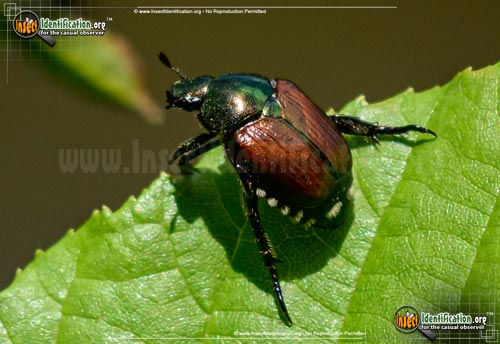
Japanese Beetle Popillia Japonica

Get Ready For Japanese Beetles Ross Tree Company Denver Colorado

Japanese Beetle The Big Tool Box And Highlands Garden Center

Tips On How To Control Japanese Beetles In Colorado

Japanese Beetles Are Extremely Destructive Pests In Yards And Gardens It S Pretty Much Impossible To Get Ri Japanese Beetles Garden Pests Organic Pest Control
